

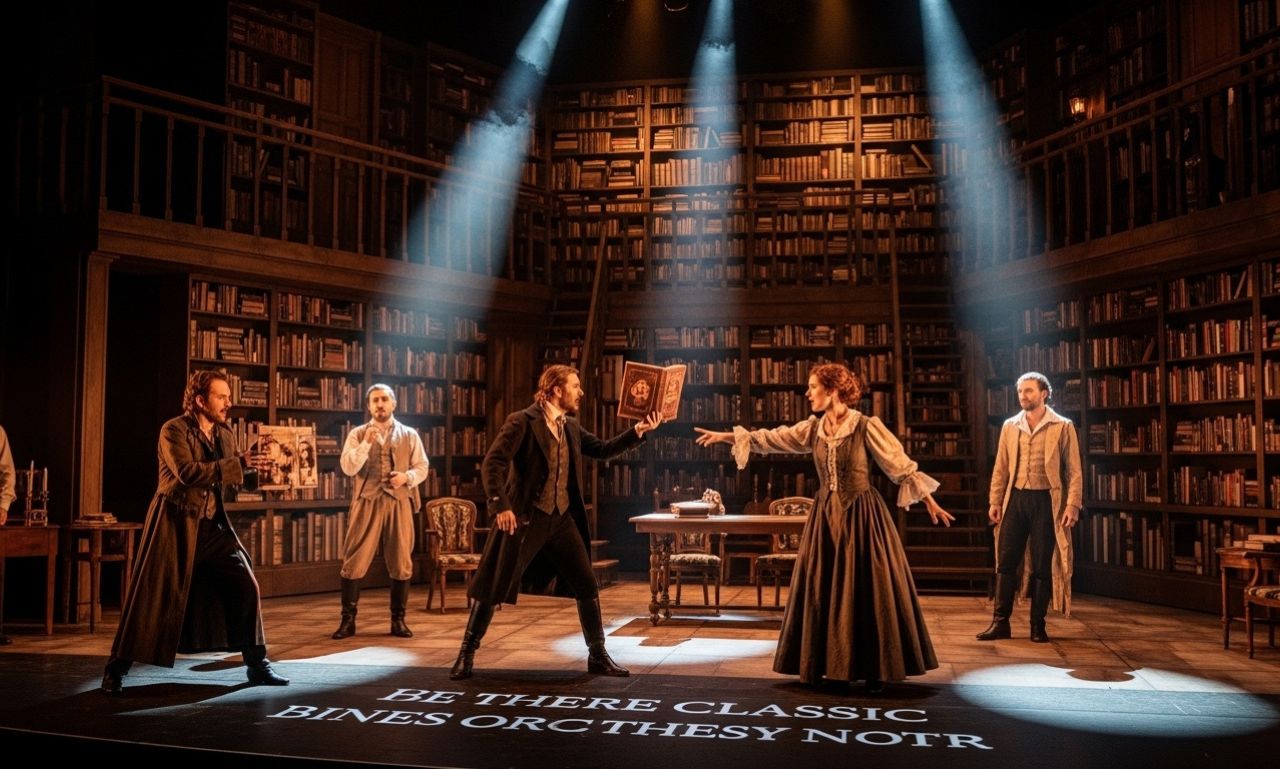
Plays based on books have long fascinated audiences by transforming beloved literary works into immersive theatrical experiences. From classic novels to modern bestsellers, playwrights and directors adapt stories for the stage, blending dialogue, performance, and visual storytelling. These adaptations bring characters to life in new ways, allowing audiences to experience familiar narratives through live performance. Whether drawn from fantasy epics, historical fiction, or children’s literature, plays based on books continue to shape theatre culture and attract diverse audiences worldwide.
This article explores the appeal, process, benefits, and examples of plays ba-sed on books, along with why they remain popular in modern theatre.
Why Plays Based on Books Are So Popular
Plays based on books are popular because they combine two powerful storytelling forms: literature and theatre. Books already have established plots, characters, and audiences, making them ideal foundations for stage adaptations.
Several factors contribute to their popularity:
- Built-in fan base from readers
- Strong narrative structure
- Rich character development
- Emotional familiarity for audiences
- Educational value for students
When audiences attend plays ba-sed on books, they often compare the performance with the original text. This interaction creates a deeper appreciation of both the literary and theatrical forms.
Another reason plays b-ased on books succeed is accessibility. A novel that might take days to read can be experienced in a two-hour performance, making stories more approachable for new audiences.
The Creative Process Behind Plays Based on Books
Creating plays bas-ed on books involves more than simply copying text from a novel. Adapting literature for stage requires careful planning, editing, and creative reinterpretation.
Selecting the Right Book
Not every book works well as a stage play. Adaptors usually choose books with:
- Strong dialogue potential
- Limited settings
- Character-driven plots
- Clear narrative arc
- Emotional intensity
Books with excessive internal monologue or frequent location changes often require major restructuring.
Adapting the Story
When transforming books into theatre, playwrights must:
- Condense long narratives
- Focus on main characters
- Remove subplots
- Convert narration into dialogue
- Create stage-friendly scenes
This adaptation ensures the story flows naturally in a live performance environment.
Designing the Stage Version
Once the script is complete, directors and designers create the visual world. This includes:
- Set design
- Lighting
- Costumes
- Sound effects
- Stage movement
These elements help plays ba-sed on books capture the atmosphere of the original story while using theatrical creativity.
Educational Benefits of Plays Based on Books
Plays bas-ed on books are widely used in schools and universities. Teachers often use them to help students understand literature in a more engaging format.
Benefits include:
- Improving reading comprehension
- Encouraging active learning
- Helping students visualize scenes
- Enhancing memory retention
- Developing appreciation for theatre
Students who watch plays ba-sed on books often gain deeper insight into character motivations and themes. Live performances also spark discussions about interpretation and artistic choices.
Additionally, performing adaptations in school theatre programs allows students to engage directly with literary texts.
Famous Examples of Plays Based on Books
Many successful stage productions originated as novels. These adaptations demonstrate the versatility and appeal of plays bas-ed on books.
Classic Literature Adaptations
Classic novels frequently become stage plays because they offer timeless themes. Common adaptations include:
- Victorian novels turned into dramatic stage productions
- Gothic stories adapted for suspenseful theatre
- Historical fiction transformed into period plays
These plays base-d on books often introduce classic literature to new generations.
Modern Novel Adaptations
Contemporary books are also adapted quickly after publication. These productions attract readers eager to see their favorite stories performed live.
Modern adaptations often include:
- Fantasy novels
- Mystery thrillers
- Young adult fiction
- Biographical books
This trend shows how plays bas-ed on evolve with changing literary tastes.
Challenges of Creating Plays Based on Books
Despite their popularity, plays ba-sed on come with several challenges.
Condensing Long Stories
Novels may contain hundreds of pages, but stage plays typically run between 90 and 150 minutes. This means adaptors must remove content carefully without losing meaning.
Audience Expectations
Fans of the original book may expect faithful adaptations. However, theatre limitations require changes, which can sometimes disappoint viewers.
Technical Limitations
Books often describe large-scale scenes that are difficult to recreate on stage. Adaptors must use creative staging techniques to overcome this.
Balancing Dialogue and Action
Books often rely on narration, while theatre depends on dialogue and physical performance. Converting narrative text into engaging stage interaction is challenging.
How Plays Based on Books Enhance Storytelling
Plays bas-ed on offer unique storytelling advantages that differ from reading.
Live Emotional Impact
Watching actors perform live creates emotional immediacy. Audiences experience:
- Real-time reactions
- Facial expressions
- Body language
- Vocal delivery
These elements deepen the emotional connection to the story.
Visual Interpretation
Stage adaptations provide visual interpretations of settings and characters. This allows audiences to see how directors imagine the story world.
Collaborative Art Form
Unlike written by one author, theatre involves collaboration between:
- Playwrights
- Directors
- Actors
- Designers
- Musicians
This teamwork adds layers of creativity to plays- based on books.
Plays Based on Books in Modern Theatre
Today, plays-based on bo-oks dominate many theatre seasons. Producers often prefer adaptations because they reduce financial risk. Known titles attract audiences more easily than unknown stories.
Modern theatre trends include:
- Minimalist stage adaptations
- Multimedia storytelling
- Interactive audience experiences
- Touring productions based on novels
Streaming platforms and digital media have also increased interest in literary adaptations, boosting theatre attendance.
Tips for Writing Your Own Plays Based on Books
If you want to create plays ba-sed on bo-oks, consider these tips:
- Choose a character-driven story
- Focus on key scenes only
- Convert narration into dialogue
- Simplify locations
- Use creative staging techniques
- Maintain the core theme
- Respect the original tone
Following these steps helps preserve the essence of the book while making the play engaging.
The Future of Plays Based on Books
The future of plays based on bo-oks looks promising. As literature continues to evolve, theatre creators will keep adapting new stories. Emerging technologies such as projection mapping and immersive staging will make adaptations even more dynamic.
Additionally, diverse voices in publishing mean more varied stories reaching the stage. This includes:
- Cultural narratives
- Historical perspectives
- Science fiction stories
- Contemporary social themes
These developments ensure plays ba-sed on bo-oks remain relevant for future audiences.
Conclusion
Plays ba-sed on books bridge the gap between literature and live performance. They allow audiences to experience beloved stories in a new, immersive way. From classrooms to professional theatres, these adaptations continue to inspire creativity and engagement. Despite challenges in condensing and staging, the emotional power and visual storytelling of theatre make book adaptations incredibly effective. As new books emerge, playwrights will continue transforming pages into unforgettable stage productions, ensuring the enduring popularity of plays based on books.