

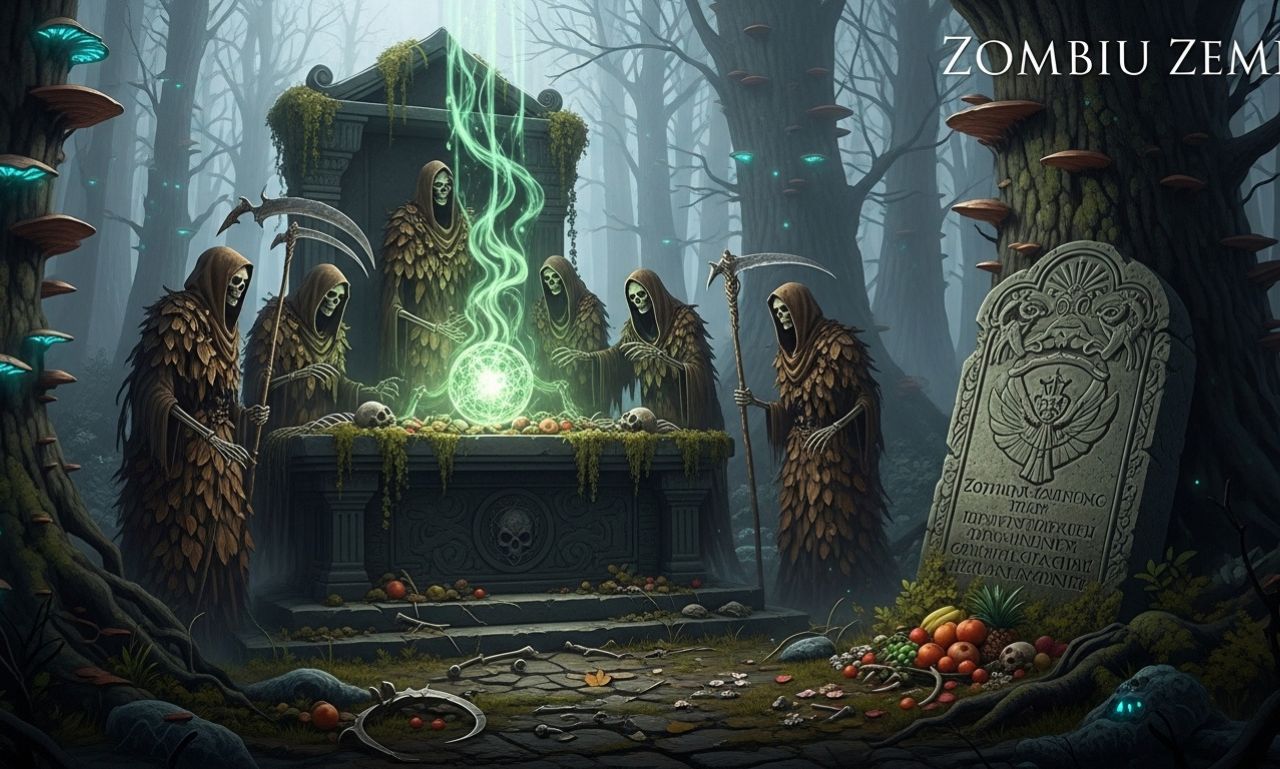
What is Zombiu Zeme?
Literal Meaning of Zombiu Zeme
The term zombiu zeme might sound mysterious at first, but once you break it down, it becomes surprisingly vivid. At its core, it roughly translates to a “land of zombies,” a phrase that instantly paints a picture of abandoned streets, silent cities, and a world where survival is the only rule that matters. This concept taps into the universal fascination with zombie apocalypse scenarios, where humanity is pushed to its limits. According to recent interpretations, zombiu zeme is not just about monsters; it’s about the collapse of normal life and the struggle to adapt.
Think about it like stepping into a world where everything familiar is gone. No rules, no safety nets—just you and your instincts. That’s the essence of zombiu zeme. It’s less about the creatures themselves and more about the environment they create. The emptiness, the danger, and the uncertainty all combine into a powerful narrative space. This is why the term resonates so strongly across different forms of media and storytelling.
Symbolic Interpretation in Modern Context
Beyond its literal meaning, zombiu zeme has evolved into a metaphor for modern life in unexpected ways. It often represents environments where systems have broken down—whether that’s society, technology, or even personal relationships. In many discussions, it symbolizes a state of emotional or psychological survival, where individuals feel disconnected or overwhelmed.
Imagine scrolling through a deserted online forum or navigating a workplace that feels lifeless and mechanical. That’s a kind of zombiu zeme too. It reflects the idea that sometimes, the real “zombies” aren’t creatures but conditions—burnout, monotony, or social isolation. This layered meaning is what makes the concept so powerful and adaptable.
Origins of Zombiu Zeme
Linguistic Background
The phrase zombiu zeme carries a linguistic structure that hints at Eastern and Northern European roots. These languages often combine words to describe environments or states, giving the term a grounded and almost folkloric tone. This isn’t just random—it adds authenticity and depth to the concept.
Interestingly, the word “zombie” itself has roots in African and Caribbean traditions, referring to reanimated beings controlled by supernatural forces. When combined with “zeme” (meaning land or place), the phrase becomes a hybrid of cultural influences. It’s like a linguistic bridge connecting ancient folklore with modern storytelling.
Cultural Influences from Europe
European horror traditions have heavily shaped the idea of zombiu zeme. Unlike fast-paced Hollywood zombie films, these traditions focus on atmosphere, slow tension, and emotional depth. The horror isn’t always visible—it creeps in quietly, building unease over time.
This influence is why zombiu zeme often feels more psychological than action-driven. It’s not about explosions or constant battles; it’s about survival in silence. The emphasis on endurance and resilience aligns with historical storytelling styles that explore human suffering and perseverance.
Zombiu Zeme in Survival Horror
Connection to Gaming Culture
One of the biggest reasons zombiu zeme gained popularity is its connection to survival horror games. Titles like ZombiU perfectly capture the essence of this concept by focusing on vulnerability and consequence. In such games, players are not superheroes—they are ordinary people trying to survive in extraordinary circumstances.
In fact, survival mechanics play a crucial role in defining the zombiu zeme experience. Limited resources, permanent consequences, and unpredictable threats create a sense of tension that keeps players on edge. According to game design principles, removing safety nets like checkpoints increases emotional investment, making every decision feel critical.
Influence of Survival Mechanics
Survival mechanics are the backbone of zombiu zeme environments. These include:
- Scarcity of resources
- Permanent consequences of failure
- Exploration-driven storytelling
These elements force players or characters to think carefully before acting. It’s like walking a tightrope—one wrong move can cost everything. This design philosophy reinforces the idea that survival is not guaranteed, making the experience deeply immersive.
Psychological Themes in Zombiu Zeme
Fear, Isolation, and Survival
At its heart, zombiu zeme is a psychological experience. Fear is not just about danger—it’s about uncertainty. The silence of an empty street can be more terrifying than a horde of enemies. This kind of fear stays with you because it feels real.
Isolation plays a huge role as well. In a zombiu zeme setting, characters are often alone or disconnected from others. This amplifies the emotional weight of every decision. It’s not just about surviving physically—it’s about maintaining sanity in a world that has lost its structure.
Moral Decision-Making Under Pressure
One of the most compelling aspects of zombiu zeme is the moral dilemmas it presents. When resources are scarce, choices become difficult. Do you help someone else, or do you prioritize your own survival? There’s rarely a clear answer.
These decisions reflect real-world ethical challenges, making the concept more relatable. It forces audiences to question what they would do in similar situations. Would you remain compassionate, or would survival instincts take over?
Zombiu Zeme in Digital and Online Culture
Use as a Metaphor
In today’s digital world, zom-biu zeme has taken on a new meaning. It’s often used to describe online spaces that feel abandoned or hostile. Think of a once-thriving community that has lost its energy—that’s a digital zombiu zeme.
This metaphor highlights how the concept has evolved beyond its original context. It’s no longer just about horror—it’s about experience. It reflects how people interact with environments, both physical and virtual.
Social Commentary and Modern Relevance
The idea of zom-biu zeme also serves as a form of social commentary. It mirrors modern anxieties like economic instability, social fragmentation, and digital overload. These issues create a sense of uncertainty that feels similar to surviving in a hostile world.
This is why the concept remains relevant. It speaks to real emotions and experiences, making it more than just a fictional idea.
Environmental Storytelling in Zombiu Zeme
Role of Atmosphere and Silence
Atmosphere is everything in zom-biu zeme. Empty streets, distant noises, and subtle details create a sense of tension without constant action. This approach allows the environment itself to tell a story.
Silence, in particular, plays a powerful role. It forces you to pay attention, to anticipate danger, and to reflect on your surroundings. It’s like the calm before a storm—unsettling and unpredictable.
Comparison Across Media
Gaming vs Folklore vs Online Meaning
| Aspect | Gaming | Folklore | Online Culture |
|---|---|---|---|
| Core Theme | Survival | Endurance | Adaptation |
| Emotion | Fear | Loss | Isolation |
| Environment | Urban ruins | Desolate lands | Digital spaces |
This comparison shows how zombiu zeme adapts across different contexts while maintaining its core identity.
Why Zombiu Zeme is Still Relevant Today
Reflection of Modern Anxiety
The concept of zom-biu zeme resonates because it reflects real-world uncertainty. Whether it’s economic challenges or social changes, people often feel like they’re navigating a world that’s constantly shifting.
This makes the idea relatable and impactful. It’s not just fiction—it’s a reflection of reality.
Misconceptions About Zombiu Zeme
Many people assume zom-biu zeme is all about violence and horror. In reality, it’s much deeper. It focuses on psychology, atmosphere, and human resilience. The action is just a small part of the bigger picture.
Future of Zombiu Zeme Concept
As technology and storytelling evolve, zom-biu zeme will likely continue to grow. From virtual reality to interactive narratives, new mediums will bring fresh interpretations of this concept.
Conclusion
Zombiu zeme is more than just a phrase—it’s a powerful concept that blends horror, psychology, and cultural storytelling. It represents survival, resilience, and the human experience in extreme conditions. Whether in games, folklore, or modern digital spaces, its relevance continues to grow. The beauty of zombiu zeme lies in its adaptability, allowing it to remain meaningful across different contexts and generations.